What is Interventional Radiology?
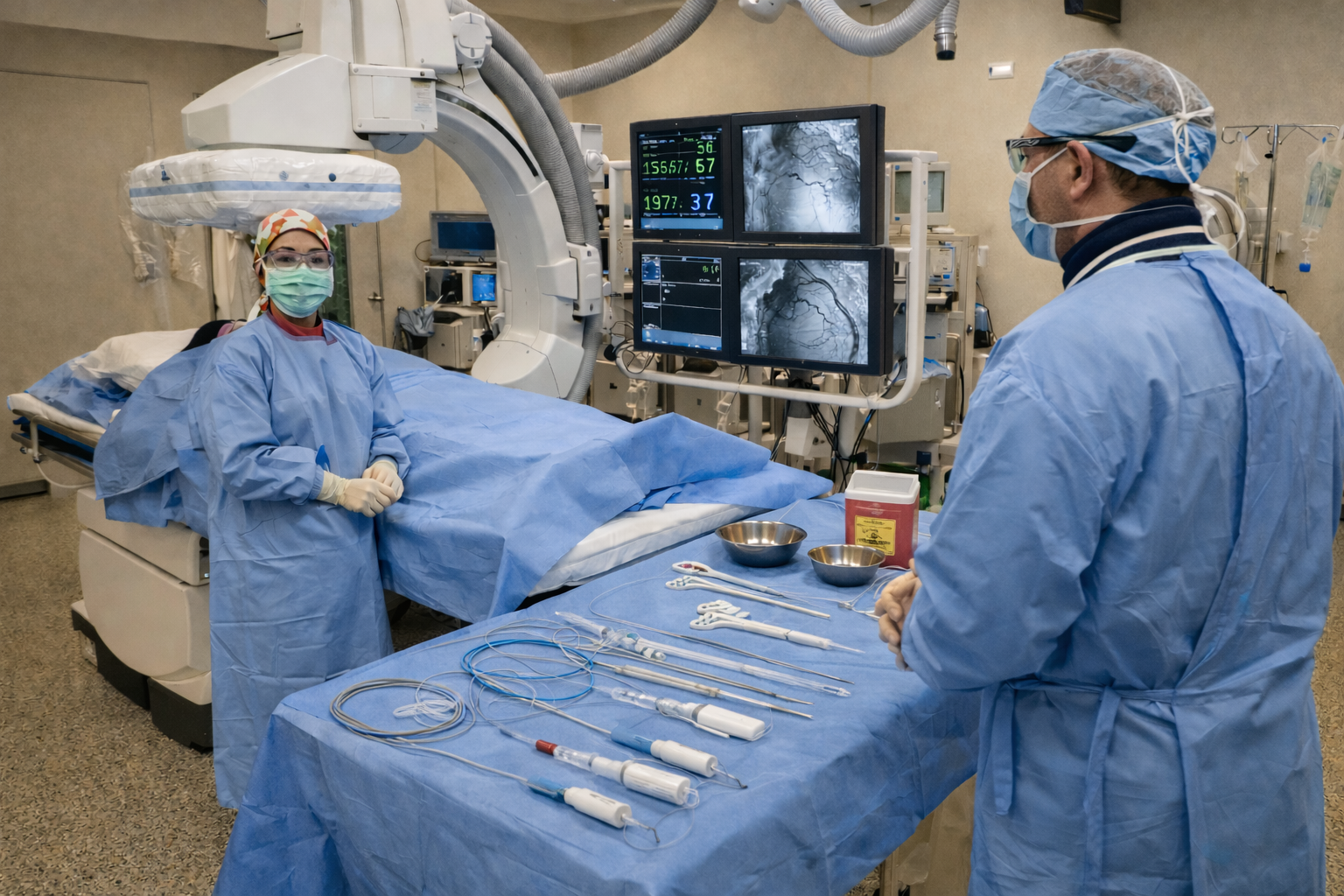
Interventional Radiology (IR) is a medical specialty that performs minimally invasive, image-guided procedures to diagnose and treat diseases in nearly every organ system. Often called "surgery with a needle," IR represents a revolutionary approach that offers patients safer alternatives to traditional open surgery.
Medicine's Third Pathway: Beyond Surgery and Medication
Unlike diagnostic radiology which focuses on interpreting images, IR physicians and technologists use real-time imaging technologies (like X-ray, ultrasound, CT, and MRI) to guide tiny instruments through blood vessels and other pathways to reach diseased areas—all through incisions no larger than a pinhole.

Minimally Invasive
Small incisions mean less pain and trauma to the body

Reduced Risk
Lower infection rates and fewer complications compared to open surgery

Faster Recovery
Many procedures are outpatient, with patients returning home the same day
Vascular Interventions:
-
Angioplasty & Stenting: Opening blocked arteries throughout the body
-
Embolization: Blocking blood vessels to stop bleeding or cut off tumors
-
Thrombolysis: Dissolving dangerous blood clots
-
Varicose Vein Treatment: Eliminating painful varicose veins without surgery
- Thrombectomy: Mechanically remove dangerous blood clots with various devices
- Intravascular Lithotripsy: Shockwaves fracture vascular calcium, helping balloons expand effectively
Drainage & Access:
-
Biopsies: Precise tissue sampling for diagnosis
-
Abscess Drainage: Removing infection without major surgery
-
Port Placement: Creating access for chemotherapy or dialysis
-
Feeding Tubes: Providing nutrition when swallowing is difficult
- Hemodialysis catheter placement: Venous access for long-term dialysis treatment
- Pleural/Abdominal catheter placement: Catheters inserted to manage and drain fluid
Oncology Services:
-
Chemoembolization: Delivering chemotherapy directly to liver tumors
-
Ablation: Using heat or cold to destroy tumors without surgery
-
Radioembolization: Targeting liver cancer with radiation-filled beads
Pain Management:
-
Nerve Blocks: Targeted pain relief for chronic conditions
-
Vertebroplasty: Stabilizing spinal fractures from osteoporosis
- Kyphoplasty: Restoring vertebral height and stabilizing spinal fractures
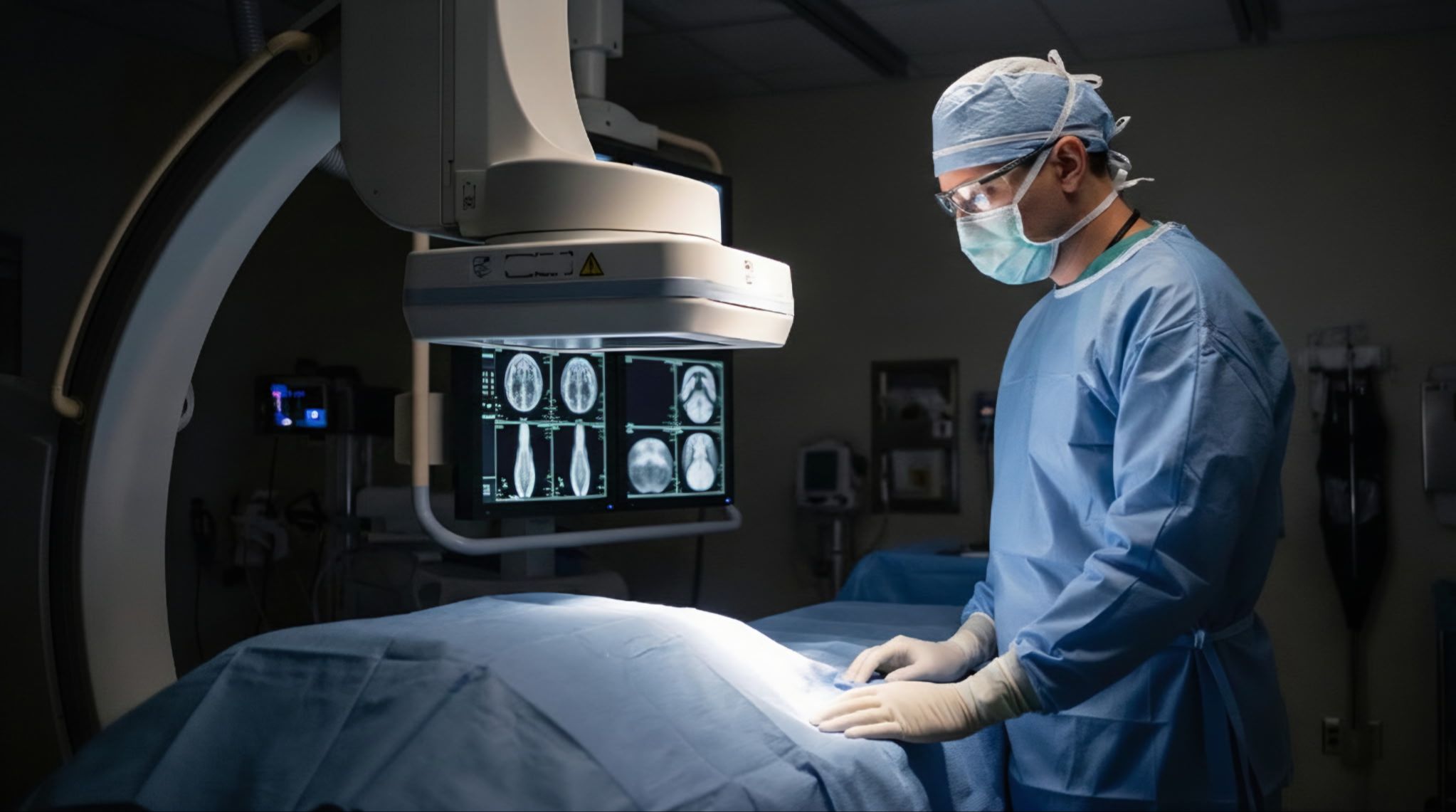
Interventional Radiologist (MD)
-
Medical doctor with 6-7 years of specialized training beyond medical school
-
Interprets images and performs the procedures
-
Makes critical decisions during complex cases
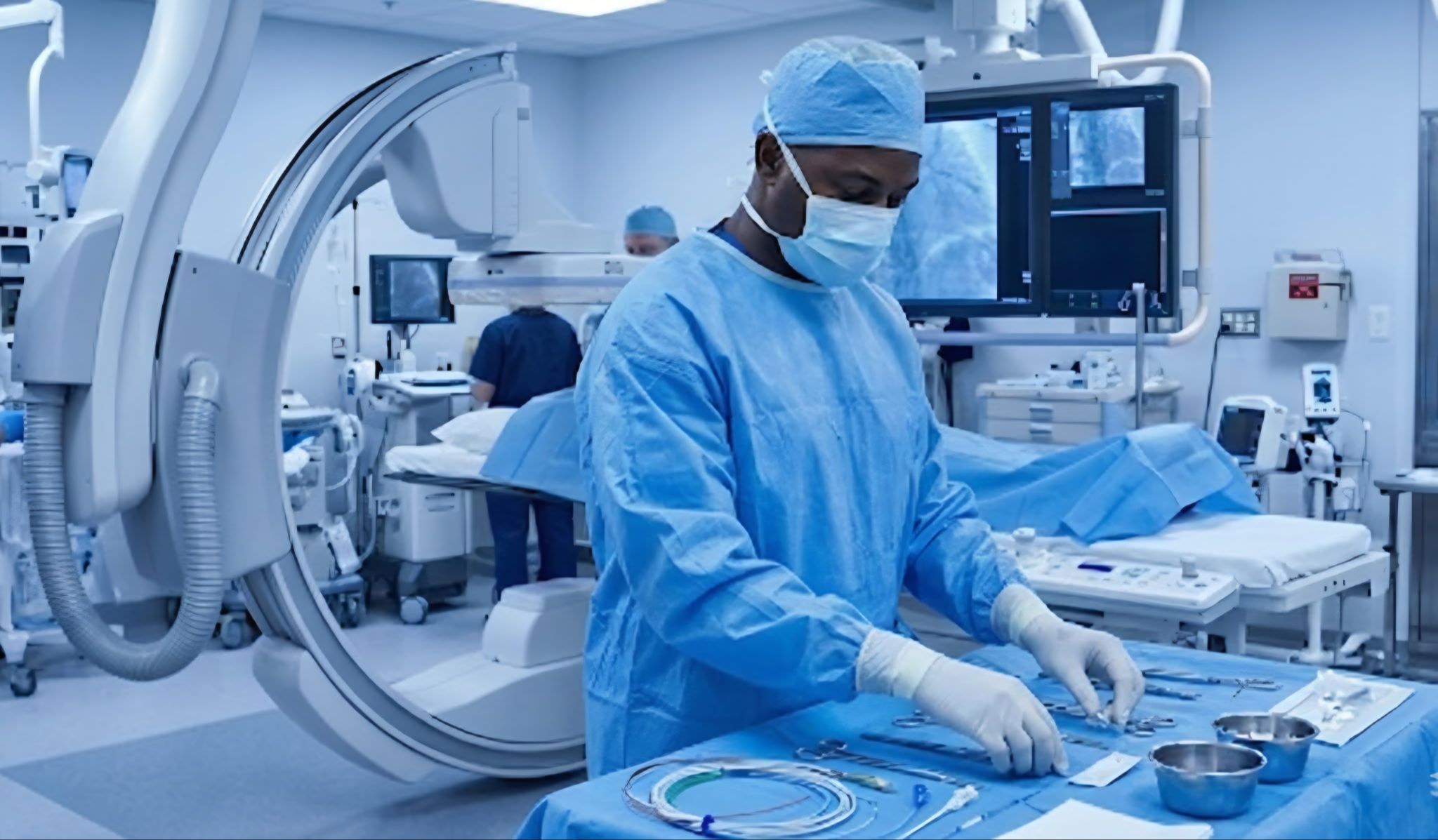
IR Technologist RT(R)(VI):
-
The crucial hands of the procedure
-
Manages equipment and sterile field
-
Assists with patient positioning and monitoring
-
Handles specialized devices and supplies
-
Ensures procedure room safety and efficiency
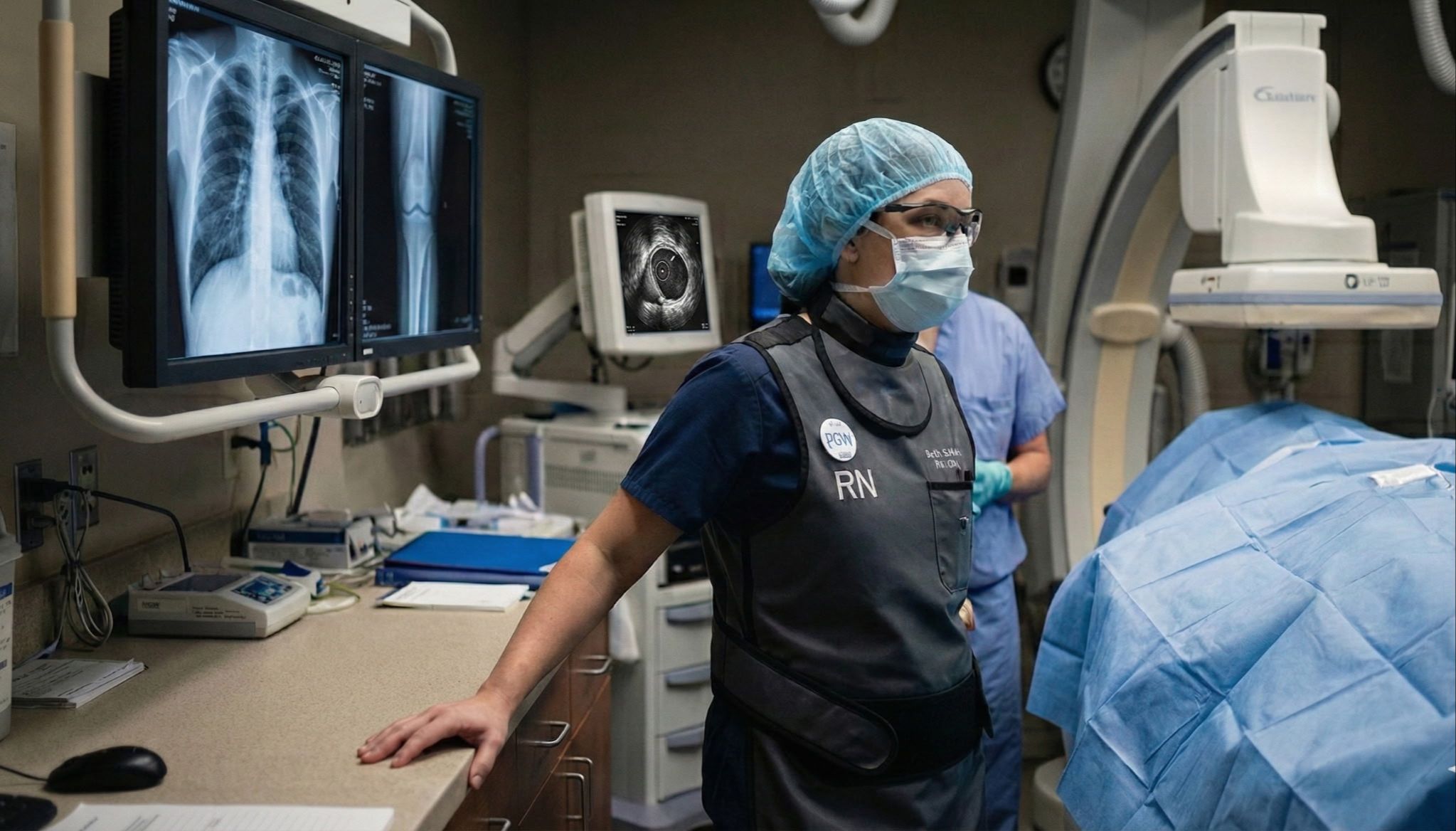
IR Nurse (RN):
-
Provides patient care and medication administration
-
Monitors vital signs during procedures
-
Manages patient comfort and safety
-
Anesthesia team for complex cases
A Profession in High Demand
Current Market Trends:
-
High Growth: Projected 7-9% annual job growth for IR technologists
-
Competitive Salaries: Above-average compensation for specialized skills
-
Career Mobility: Opportunities in hospitals, outpatient centers, and industry
-
Geographic Flexibility: Nationwide demand for qualified professionals
-
Specialization Paths: Vascular, neuro, pediatric, and oncologic IR focus areas